Health and Safety Policy for Deep Cleaning Westminster
 Deep Cleaning Westminster requires a clear and practical health and safety policy that protects staff, clients, and property during every cleaning task. This policy sets out the standards that guide safe working practices, proper use of equipment, and careful handling of cleaning substances. It supports consistent delivery of deep cleaning services while reducing avoidable risks in homes, offices, communal areas, and other indoor environments.
The purpose of this policy is to promote a safe working culture where hazards are identified early and controlled effectively. Deep cleaning in Westminster often involves intensive tasks such as sanitising surfaces, removing built-up dirt, handling waste, and working with specialist products. Each of these activities must be planned with safety in mind so that the process remains efficient without compromising wellbeing.
All staff are expected to follow safe systems of work, use equipment correctly, and report concerns promptly. This includes wearing suitable protective clothing, maintaining hygiene standards, and understanding the correct dilution, storage, and application of cleaning chemicals. A well-managed Westminster deep cleaning operation depends on attention to detail and a shared commitment to safe practice.
Responsibilities and Safe Working Standards
Managers are responsible for ensuring that risk assessments are completed before work begins and that appropriate control measures are in place. They must also confirm that equipment is maintained, staff are trained, and tasks are allocated according to ability and experience. In a professional deep cleaning Westminster setting, supervision plays an important role in maintaining standards and preventing avoidable incidents.
Employees must take reasonable care of their own health and safety and that of others who may be affected by their actions. This means following instructions, using personal protective equipment where required, and not bypassing safety checks for speed or convenience. Safe behaviour is essential when dealing with floors, bathrooms, kitchens, high-touch surfaces, or confined areas where slips, contact with chemicals, and cross-contamination may occur.
Hazardous substances must be labelled, stored securely, and used only in accordance with manufacturer guidance and workplace procedures. Staff should never mix chemicals unless specifically authorised, as this can create dangerous fumes or reactions. For deep cleaning services in Westminster, the correct handling of detergents, disinfectants, descalers, and degreasers is a core part of the safety framework.
Risk Control Measures
 Before any assignment, a suitable assessment should identify possible risks such as wet floors, sharp objects, poor ventilation, manual handling strain, and exposure to biological contamination. Controls may include warning signs, task sequencing, ventilation, lifting aids, and additional protective equipment. These precautions help ensure that Westminster deep cleaning services are carried out with minimum risk to people and property.
Cleaning teams should use safe manual handling techniques when moving furniture, lifting waste bags, or carrying equipment. Heavy loads must be split into smaller sections where possible, and team lifting should be used for awkward items. A strong health and safety policy for deep cleaning Westminster must recognise that musculoskeletal injuries are one of the most common workplace risks and should be prevented through training and planning.
Slips and trips are controlled through good housekeeping, clear access routes, and immediate attention to spills. Where floors are being treated, the area should be cordoned off until it is safe to re-enter. Staff should also ensure that electrical equipment is inspected before use and kept away from water sources. This is especially important in deep cleaning in Westminster, where fast-paced work can otherwise increase the chance of accidents.
Hygiene, Protective Equipment, and Training
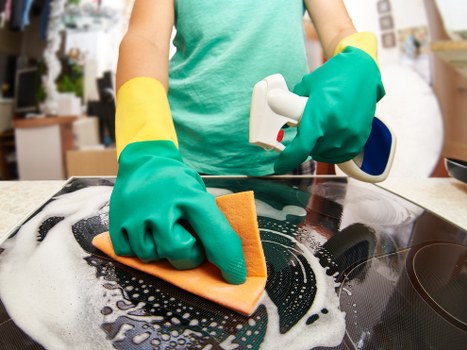
 Personal protective equipment must be selected according to the task and used consistently. Gloves, masks, aprons, and eye protection may be necessary depending on the surface, product, and contamination level involved. Deep cleaning Westminster work often involves close contact with grime, dust, and waste, so PPE should be clean, correctly fitted, and replaced when damaged or no longer effective.
Good hygiene practices are essential throughout the working day. Staff should wash or sanitise hands before and after tasks, avoid touching the face while working, and change gloves when moving between contaminated and clean areas. A reliable Westminster deep cleaning policy should also include procedures for safe waste disposal so that used cloths, disposable items, and removed debris do not create further health risks.
Training is a key part of maintaining safety standards. Workers should understand how to read product labels, follow safety data sheets, recognise warning symbols, and respond to spills or exposure incidents. Refresher training should be provided regularly to reinforce best practice and support consistent performance across all deep cleaning services Westminster operations.
Incident Reporting and Emergency Response
 Any accident, near miss, injury, or unsafe condition must be reported and recorded promptly so that corrective action can be taken. Reporting helps identify trends, strengthen controls, and reduce the chance of similar events happening again. In a professional deep cleaning Westminster environment, prompt reporting is a sign of responsible management rather than a sign of failure.
Emergency procedures should be understood by all staff before work begins. This includes knowing how to respond to chemical splashes, cuts, burns, fire, or a sudden illness. First aid supplies should be available where needed, and staff should be aware of the steps to take if they are exposed to hazardous materials. A clear and well-communicated response plan supports safer deep cleaning in Westminster operations.
Where incidents involve contamination, the affected area must be isolated and cleaned using approved methods before normal activity resumes. If there is any doubt about safety, work should stop until the issue is assessed and controlled. This cautious approach helps protect workers, building users, and the integrity of the cleaning task itself.
Monitoring, Review, and Continuous Improvement
 The health and safety policy should be reviewed regularly to make sure it remains suitable, effective, and up to date. Reviews may be triggered by incidents, changes in equipment, new cleaning methods, or updates in workplace practices. Deep cleaning Westminster providers benefit from routine monitoring because it helps maintain high standards while adapting to practical needs.
Supervisors should carry out spot checks, review risk controls, and encourage feedback from staff about safer ways of working. Where improvements are identified, they should be introduced promptly and communicated clearly. Continuous improvement is central to dependable Westminster deep cleaning services, because safety, quality, and efficiency all depend on informed practice.
In summary, this policy reflects a commitment to protecting people, reducing risk, and delivering reliable results through careful planning and responsible working methods. By following safe procedures, maintaining equipment, and promoting awareness, deep cleaning Westminster operations can remain professional, effective, and safe for everyone involved.