Deep Cleaning in Westminster

Deep cleaning in Westminster is a thorough, room-by-room service for homes and workplaces that need more than routine upkeep. It focuses on the build-up that collects over time on high-touch surfaces, corners, fittings and awkward edges, with attention given to places that everyday cleaning can miss. Our approach is practical and organised, so the work can be adapted to kitchens, bathrooms, living areas, entrances and shared spaces without turning the visit into a rushed surface tidy.
The service is useful when a property needs a reset after a busy period, before guests arrive, after occupants move out, or simply because standard cleaning has not been enough. We handle detail-led tasks with care, including degreasing, descaling, dust removal, internal wipe-downs and finish-focused cleaning around fixtures. Deep cleaning should feel systematic, with each area assessed for what is actually present rather than treated as if every room is the same.
If you need a quotation, you can start by outlining the areas that matter most and the condition they are currently in. A clear description helps us shape the work sensibly. Tell us what needs attention and what can be left alone, then we can discuss the most suitable scope and timing for the job.
Kitchen deep cleaning and finishing touches
Kitchens usually need the most detailed attention because grease, steam and food residue collect in layers. Deep cleaning can include internal and external wiping of cupboards, cleaning splashbacks, refreshing sinks and taps, and working around handles, kickboards and extractor areas where grime tends to settle. Where appropriate, we also focus on hob surrounds, appliance exteriors and those narrow spaces beside units that are easy to overlook during routine cleaning.
Different kitchens call for different priorities. A compact flat kitchen may need careful detail around counters and storage fronts, while a larger family kitchen may need more time spent on traffic areas, appliance surfaces and dining-adjacent zones. If certain items are delicate, built-in or heavily used, the method should suit the surface rather than forcing the same treatment everywhere. For a fuller picture of the service range, our deep cleaning page describes the general work in more detail.
When you are deciding what to include, it helps to think in practical groups: cooking surfaces, preparation surfaces, storage, and finishing points. If any section has not been cleaned thoroughly for a while, mention it plainly in your enquiry so the quote reflects the effort involved. A concise list can make the estimate more accurate and keeps the service focused on the rooms and fittings that matter most.
Bathrooms, washrooms and sanitary detail

Bathrooms need careful cleaning because limescale, soap residue and moisture-related marking often build up around fittings. A deep clean can cover baths, showers, toilets, basins, taps, tiles and visible pipework, together with the edges and crevices where standard wiping is rarely enough. The aim is to leave the room hygienic, bright and presentable without using a rough approach that risks damaging sealant, chrome or delicate finishes.
In homes and shared facilities, the right level of work depends on how the room is used. Busy family bathrooms may need extra focus on glass, grout lines and splash zones, while a guest cloakroom may need a lighter but still careful detail clean. We can also prioritise damp-prone areas, around-rim surfaces and the touchpoints that people notice immediately. If you want to understand related options, the one-off cleaning page is a useful place to compare a single visit with broader recurring arrangements.
It is sensible to mention any specific issues that affect the room, such as visible scale, stained fixtures or neglected corners, because that changes how long the work may take. There is no need for a long list; a few honest notes are enough. That helps the quotation reflect the actual condition of the property rather than a generic assumption about the space.
Living areas, bedrooms and interior detail
Deep cleaning is not limited to kitchens and bathrooms. Living areas and bedrooms also benefit from detailed attention to skirting boards, sockets, doorframes, shelves, reachable ledges, furniture exteriors and other points where dust collects over time. The process can be especially useful where a property has been occupied continuously and the cleaning has gradually become less consistent.
These rooms often need a calm, methodical sequence rather than aggressive cleaning. Work around the room from top to lower areas so that dust and loose debris are cleared before the finishing touches are made. Where soft furnishings, decorative items or fragile surfaces are present, the cleaning plan should respect the materials involved. Our domestic cleaning page is helpful if you want to see how deep cleaning sits alongside broader home care.
For homes with a mixture of room types, it can be useful to decide whether the priority is visible presentation, hygiene, or a full reset of neglected detail. Those decisions change the emphasis of the visit and can influence the estimate. A good quotation request explains which rooms matter most, whether furniture needs working around, and whether the job should focus on a few key areas or the whole interior.
After renovation and heavy-use cleaning
Some properties need deep cleaning because they have recently had building work, decorating, or a period of heavy use. Dust from renovation, residue from trades, and general disruption can leave a property looking unfinished even when the work itself is complete. In those situations, a more detailed clean can help remove fine dust from ledges, fittings, sockets, frames and other surfaces that need careful wiping rather than a quick pass.
After-builders work usually requires more attention to access points and surface condition than an ordinary domestic clean. Paint specks, plaster dust and general debris may need selective treatment, and different materials must be handled appropriately. For example, hard surfaces, glazed areas and decorative finishes may each need a different method. If the property has recently been altered, the after builders cleaning service is the clearest comparison page for that kind of work.
When asking for a quotation, describe whether the space is freshly finished, partially occupied or waiting to be reoccupied. It also helps to note if the clean is mainly for dust removal, surface restoration or final presentation. That kind of detail is more useful than a vague request because it lets the scope match the condition of the property.
Floors, carpets and upholstered surfaces

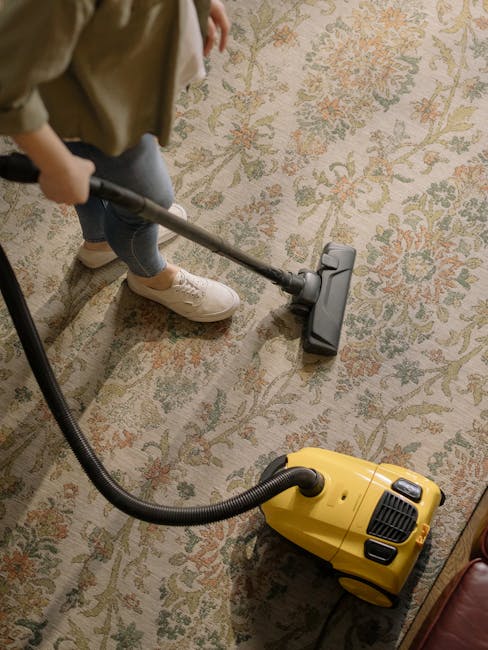
Deep cleaning often includes the surfaces people use most, especially floors, rugs, sofas and other upholstered items that pick up marks and everyday soil. Depending on the material, this may involve careful vacuuming, spot treatment, stain-focused attention or a fuller refresh. The work should be matched to the fabric, pile or finish so the result looks cleaner without causing unnecessary wear.
For hard flooring, the priorities are usually dust removal, lifting dullness, and paying attention to the edges and joins where dirt accumulates. Fabric surfaces need a more measured approach because the treatment must suit the fibres and existing condition. If you are comparing specialist options, the carpet cleaning page and the upholstery cleaning page show how those materials can be handled as focused services within a deeper clean.
It is often worth separating floor care from overall room cleaning when you request a price. That makes it clearer whether you want a general interior refresh or a more detailed treatment of specific materials. If certain items are heavily used, lightly marked or placed in high-traffic areas, mention them early so the estimate reflects the likely time and method rather than a simple room count alone.
Workspaces, shared areas and practical planning
Deep cleaning can also support offices and other working environments where shared surfaces and busy footfall create a lot of fine build-up. Desks, touchpoints, door handles, meeting areas, communal corners and breakout spaces can all benefit from a detailed clean that restores a more orderly appearance. The aim is not to overstate the task, but to give useful attention to the parts of the workplace that staff and visitors notice first.
In commercial settings, timing and access matter as much as the cleaning itself. A sensible plan may need to account for occupied desks, storage, sensitive items and the order in which rooms can be worked on. If you are comparing related services, the office cleaning and office cleaners pages provide a straightforward way to see how workplace cleaning can be arranged around deeper maintenance tasks. Clear access and clear priorities usually make the job smoother for everyone involved.
Two practical details help most quotation requests: which areas need attention and how easy it is to reach them. You do not need to write a long brief, but a short note about room count, surface types and any special constraints gives a better basis for estimating. If a workplace has a mix of public and private areas, say so at the start so the scope stays realistic.
What a deep clean can include

Because every property is different, the exact checklist should be shaped around condition, room type and material. Typical deep-clean tasks may include dusting high and low points, wiping accessible surfaces, cleaning visible marks, dealing with grime in corners, refreshing fixtures and paying attention to areas that are often skipped during maintenance cleaning. The service is designed to be detailed, not decorative.
Common examples of tasks that may be included are listed below. The list is not exhaustive, but it gives a useful sense of how the work is organised:
- kitchen surface degreasing and appliance exterior cleaning
- bathroom scale removal and fixture detailing
- door, frame and skirting board wiping
- dust removal from ledges, sockets and reachable fittings
- floor edge and corner attention
- spot-focused treatment of marked or neglected areas
If you need a broader home reset rather than a single-room treatment, you may also want to look at the house cleaning and home cleaners pages. They help show how a more general clean can sit beside deeper work when different parts of a property need different levels of attention.
About Westminster
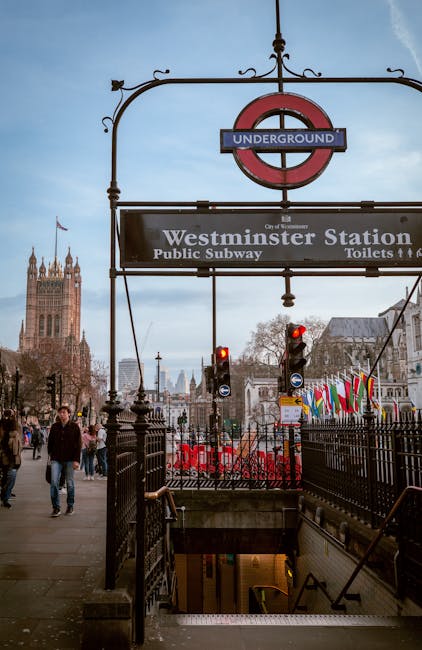
Westminster is one of the most recognisable districts in central London, shaped by its long association with national government, royal ceremony and major civic landmarks. The area includes the Palace of Westminster, where the United Kingdom Parliament meets, and Westminster Abbey, a church closely linked with coronations, state occasions and centuries of public memory. Its streets combine government buildings, religious heritage, hotels, residential pockets and busy commercial corridors, producing a landscape where historic institutions sit alongside modern movement and administration. The wider district is often read through its ceremonial heart, yet it also contains quieter neighbourhoods and everyday urban spaces that reveal a more varied character. The river frontage along the Thames forms an important part of its setting, with bridges, embankments and long views contributing to the area's sense of scale. Green spaces such as St James’s Park, close by and visually connected to the broader Westminster scene, add an important open contrast to the dense built environment. Architectural styles range from Gothic revival to Georgian terraces and later civic development, so the area offers a layered record of London’s growth. Street life is influenced by tourism, commuting, political activity and cultural visitation, making Westminster both highly symbolic and strongly functional in the capital’s daily life.
Pricing factors and quotation details
Quotations for deep cleaning are usually shaped by practical factors rather than by a single flat formula. The size of the property matters, but so does the current condition of each room, the amount of detail required, and whether any surfaces need careful, material-specific treatment. Access can also influence the estimate if items need moving, rooms are difficult to reach, or there are multiple floors and separate areas to work through.
If you are preparing a request, it helps to give a clear overview of the spaces involved and mention anything unusual that may affect the time needed. That might include heavy grease, scale, neglected corners, recent decorating dust, or a mix of rooms with very different conditions. For straightforward administration and company information, the pricing and quotes page offers a useful starting point before you decide what to include in your enquiry.
When the request is specific, the response can be more accurate. A short summary of the rooms, a note about their state, and confirmation of any priorities is often enough. If you would like to move ahead, just send the details and ask for a quotation.
Preparing for the visit and making the most of the clean

A little preparation can help a deep clean run efficiently, but it should stay sensible rather than burdensome. If the property contains items that are fragile, especially personal, or awkward to move, it is worth identifying them before the work begins. The same applies to areas that are not to be cleaned, such as delicate finishes, locked rooms or spaces already under another contractor’s control. This is less about making a long checklist and more about avoiding misunderstanding.
For many customers, the simplest approach is to think in terms of access, priorities and expectations. Make sure the important rooms are identified, note any problem areas, and explain whether you want an all-round refresh or a more targeted focus on specific surfaces. If your situation overlaps with other specialisms, the end of tenancy cleaning page may also be relevant when a property is being handed over or prepared for the next occupants.
To request a quotation, send a brief description of the property and the rooms that need the most attention. If you prefer, you can also compare related services such as cleaning company and cleaners for a broader view of how support can be arranged. Ask for a quote today and describe the condition as plainly as possible so the scope is easy to match.